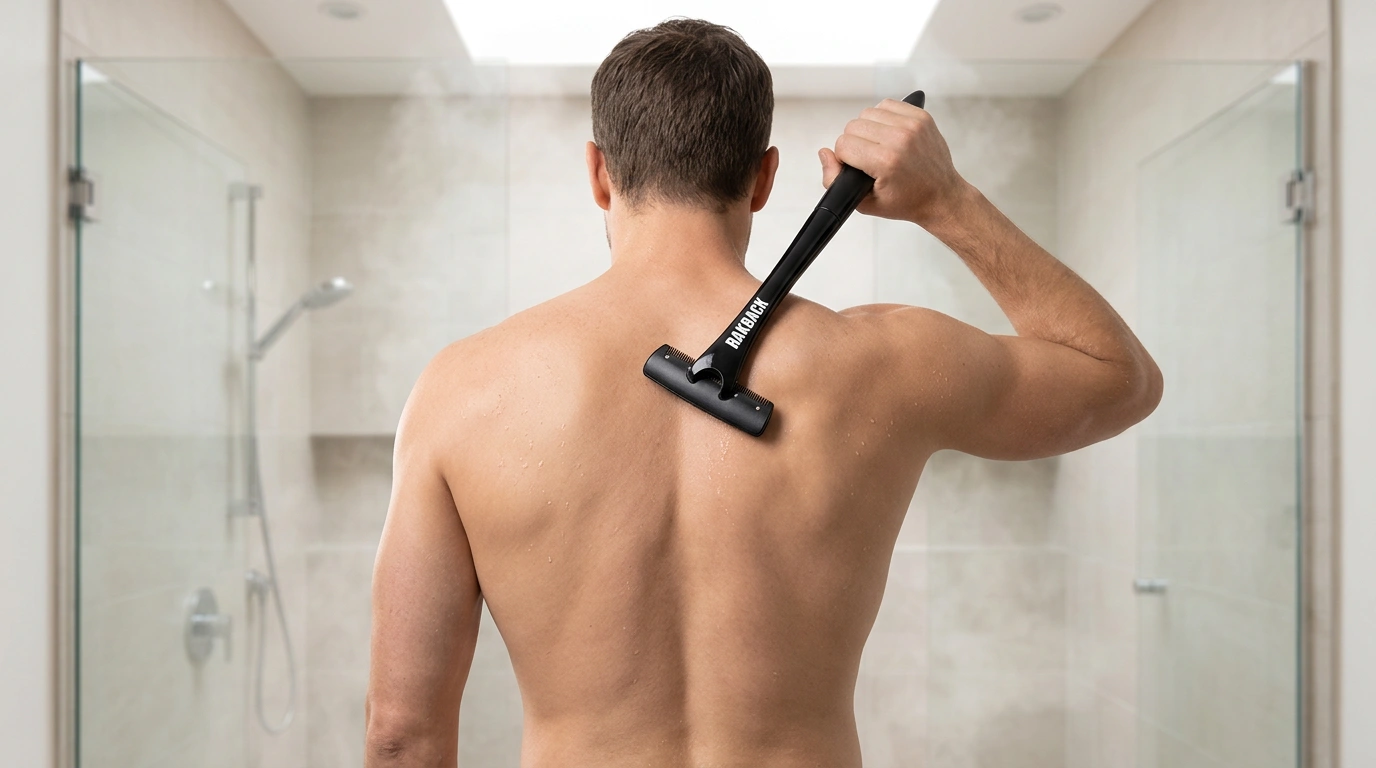
Back hair is normal, but removing it can be difficult without the right tool. The back is wide, curved, hard to see, and difficult to reach with a standard razor. That is why a dedicated back hair shaver is usually the safest and most practical option for men who want a cleaner, smoother look.
A regular razor may work on the face or chest, but it is not designed for the shoulders, spine area, lower back, or shoulder blades. Poor reach can lead to missed patches, uneven shaving, razor burn, and small cuts. If you want to remove back hair safely, the tool matters as much as the technique.
Why a Back Hair Shaver Is Better Than a Regular Razor
A back hair shaver is designed for the specific challenges of back grooming. It usually has a longer handle, a wider shaving head, and a shape that helps you reach areas that would be difficult with a short razor. This makes the process easier, more controlled, and more consistent.
The biggest advantage is reach. A proper back hair shaver allows you to shave the upper back, lower back, and center of the back without twisting your body too much. This reduces awkward movement and helps you maintain better pressure against the skin.
Control is also important. When you use a regular razor on your back, the angle is often wrong. You may press too hard in one area and miss another area completely. A back hair shaver gives you a better shaving path, which helps reduce irritation and uneven results.
The Safest Way to Remove Back Hair
The safest way to remove back hair starts with preparation. Shaving dry skin with a dull blade is one of the fastest ways to cause redness, razor burn, and discomfort. Before shaving, take a warm shower to soften the hair and clean the skin.
Warm water makes coarse back hair easier to cut. It also helps the shaver glide more smoothly. If your back hair is long or thick, trim it first before using a blade. Long hair can clog the shaver and cause pulling, which makes the process less comfortable.
If you are using a manual back hair shaver, apply shaving cream or gel before shaving. This reduces friction between the blade and the skin. It also helps the blade move more smoothly, which can lower the chance of cuts and irritation.
Manual Back Hair Shaver vs Electric Back Hair Shaver
A manual back hair shaver is usually best if you want the closest shave. It cuts hair near the skin and can leave the back looking smoother. This makes it a strong choice before vacations, beach days, pool events, photo shoots, or any situation where you want a cleaner finish.
The downside is that manual shaving takes more care. You need a sharp blade, shaving cream, and controlled strokes. If you rush or press too hard, the skin can become irritated. Manual shaving works best when you take your time and let the blade do the work.
An electric back hair shaver is better for speed and regular maintenance. It is useful for men who want to reduce visible back hair without shaving completely smooth. Electric models can also be helpful for thick hair because they trim down bulk before a closer shave.
Which Option Is Best for Thick Back Hair?
Thick back hair usually needs a two-step approach. If the hair is long, start with an electric trimmer or electric back hair shaver. This reduces the length and prevents the blade from clogging during the final shave.
After trimming, you can use a manual back hair shaver if you want a smoother finish. This method is often more comfortable than trying to shave thick hair directly with a blade. It also helps reduce tugging, pulling, and repeated passes over the same area.
Men with coarse back hair should focus on blade quality and cleaning ease. A weak shaver can drag across dense hair and irritate the skin. A good shaver should cut cleanly, rinse easily, and stay stable while you move it across the back.
How to Remove Back Hair Without Irritation
To remove back hair without irritation, use light pressure. Pressing harder does not create a better shave. It usually creates more friction, which can lead to redness and razor burn.
Start with slow, controlled strokes. Move in the direction of hair growth when possible, especially if your skin is sensitive. Back hair can grow in different directions, so you may need to adjust your angle across the shoulders, lower back, and spine area.
Avoid shaving the same spot too many times. Repeated strokes can scrape the skin and cause irritation. If you miss an area, touch it up gently after rinsing the skin and checking your back in a mirror.
Features to Look for in a Back Hair Shaver
The first feature to check is handle length. A back hair shaver should be long enough to reach the full back without forcing your body into uncomfortable positions. If the handle is too short, it will not solve the main problem.
Handle stability matters too. A long handle that bends too much can make it harder to control pressure. A stable handle helps you shave evenly and reduces the risk of cuts or missed patches.
The shaving head should be wide enough to cover the back efficiently. However, it should also move well across curved areas. A head that is too rigid may skip sections or dig into the skin.
Blade Quality and Replacement Blades
Blade quality has a major impact on comfort. Sharp blades cut hair cleanly and require fewer passes. Dull blades pull hair, scrape skin, and increase the risk of irritation.
If you use a manual back hair shaver, choose one with replaceable blades. This keeps the tool effective over time. It also helps you avoid shaving with a blade that has become too dull for safe use.
Before buying, check whether replacement blades are easy to find. A shaver may look affordable at first, but it becomes inconvenient if the replacement blades are expensive or hard to purchase.
Best Back Hair Removal Routine for Sensitive Skin
Sensitive skin needs a gentler routine. Start with a warm shower, then use shaving cream or gel if you are shaving manually. Do not shave dry with a manual blade unless the tool is specifically designed for that use.
Use short, steady strokes and avoid pressing hard. If your skin feels warm or irritated, stop and rinse the area. A closer shave is not worth damaging the skin.
After shaving, rinse with cool water and apply a lightweight moisturizer. Avoid harsh aftershaves or alcohol-based products because they can dry the skin and increase discomfort. Give the skin time to recover before heavy sweating, tight shirts, or direct sun exposure.
Common Mistakes to Avoid When Removing Back Hair
One common mistake is using a regular razor. A standard razor is too short and too narrow for safe back shaving. It forces awkward angles and often leaves uneven results.
Another mistake is shaving long back hair without trimming first. Long hair can clog the blade and cause pulling. Trimming first makes the shave faster, cleaner, and more comfortable.
Many men also wait too long to replace blades. A dull blade may still remove some hair, but it will not shave cleanly. If the blade drags, pulls, or requires extra pressure, it should be replaced.
How Often Should You Remove Back Hair?
How often you remove back hair depends on your hair growth and the look you want. If you want a smooth back, you may need to shave every one to two weeks. If you only want a neater appearance, trimming may be enough.
Regular maintenance is usually easier than waiting until the hair becomes long and thick. Shorter hair is easier to manage, and the shaving process is less likely to irritate the skin.
If your skin is sensitive, avoid shaving too often. Give the skin enough time to recover between sessions. A consistent routine should keep your back clean without making the skin feel raw or uncomfortable.
Is Shaving Better Than Waxing or Hair Removal Cream?
Shaving is usually the most convenient way to remove back hair at home. It is affordable, private, and easy to repeat. With the right back hair shaver, you can maintain your back without appointments or help from another person.
Waxing can last longer because it removes hair from the root. However, it can be painful, expensive, and irritating for sensitive skin. It may also require professional help, especially for full-back hair removal.
Hair removal creams can work for some people, but they are not ideal for everyone. They can irritate the skin if left on too long or used on sensitive areas. Always test a small area first before applying any cream across the back.
Final Advice on Choosing a Back Hair Shaver
The best back hair shaver is the one that fits your hair type, skin sensitivity, and grooming routine. If you want a smooth finish, choose a manual shaver with sharp replaceable blades and a long stable handle. If you want fast maintenance, choose an electric back hair shaver that trims evenly and cleans easily.
For thick back hair, trimming before shaving is usually the smartest method. For sensitive skin, focus on preparation, light pressure, and aftercare. For the cleanest result, use a tool designed for the back instead of forcing a regular razor to do the job.
Learning how to remove back hair safely is not complicated. Use the right back hair shaver, soften the hair first, shave with control, clean the tool often, and protect the skin afterward. With the right routine, back hair removal becomes simple, comfortable, and easy to maintain.